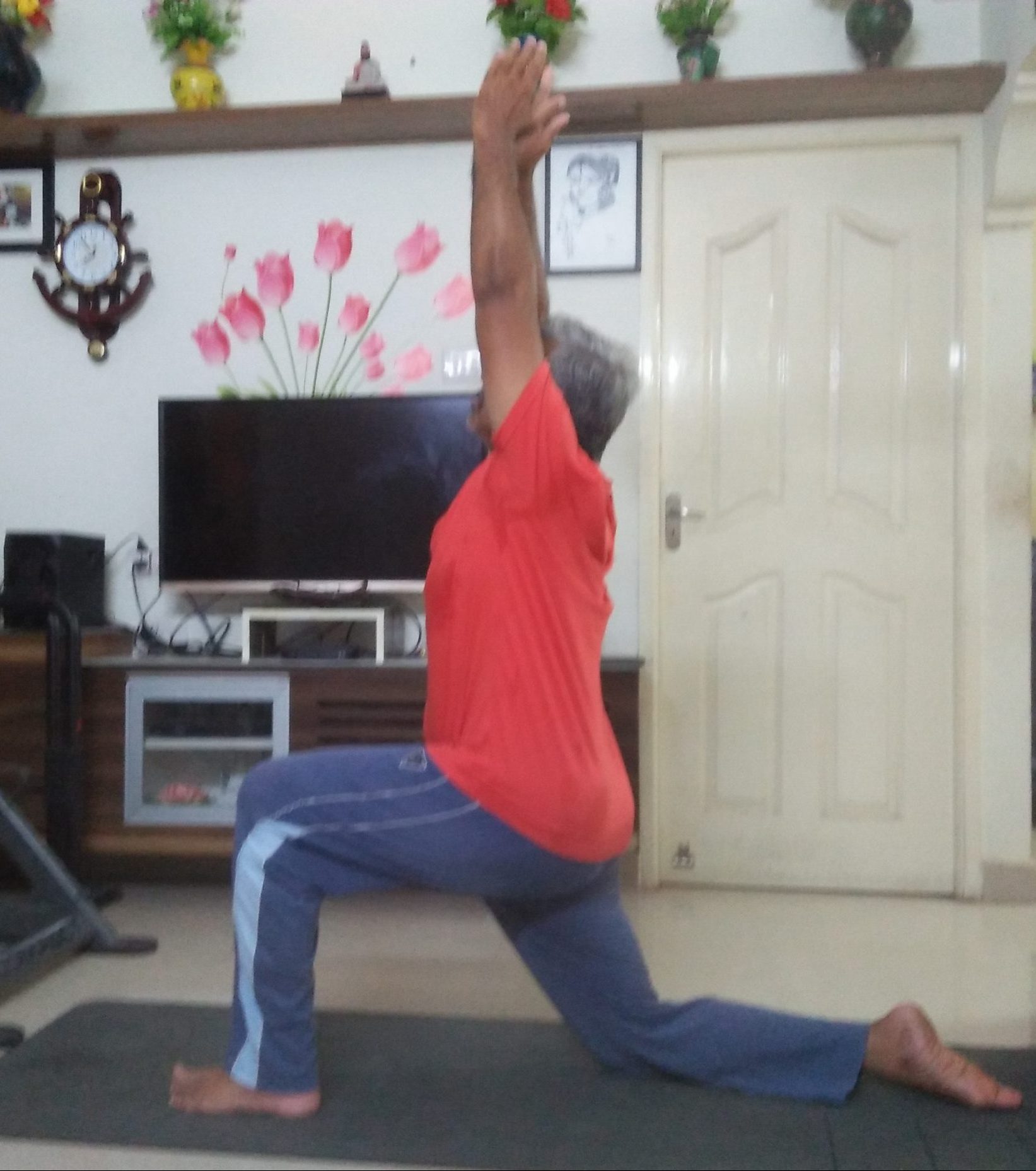
Yoga Pose for Day 66 - Gate Pose (Parighasana)
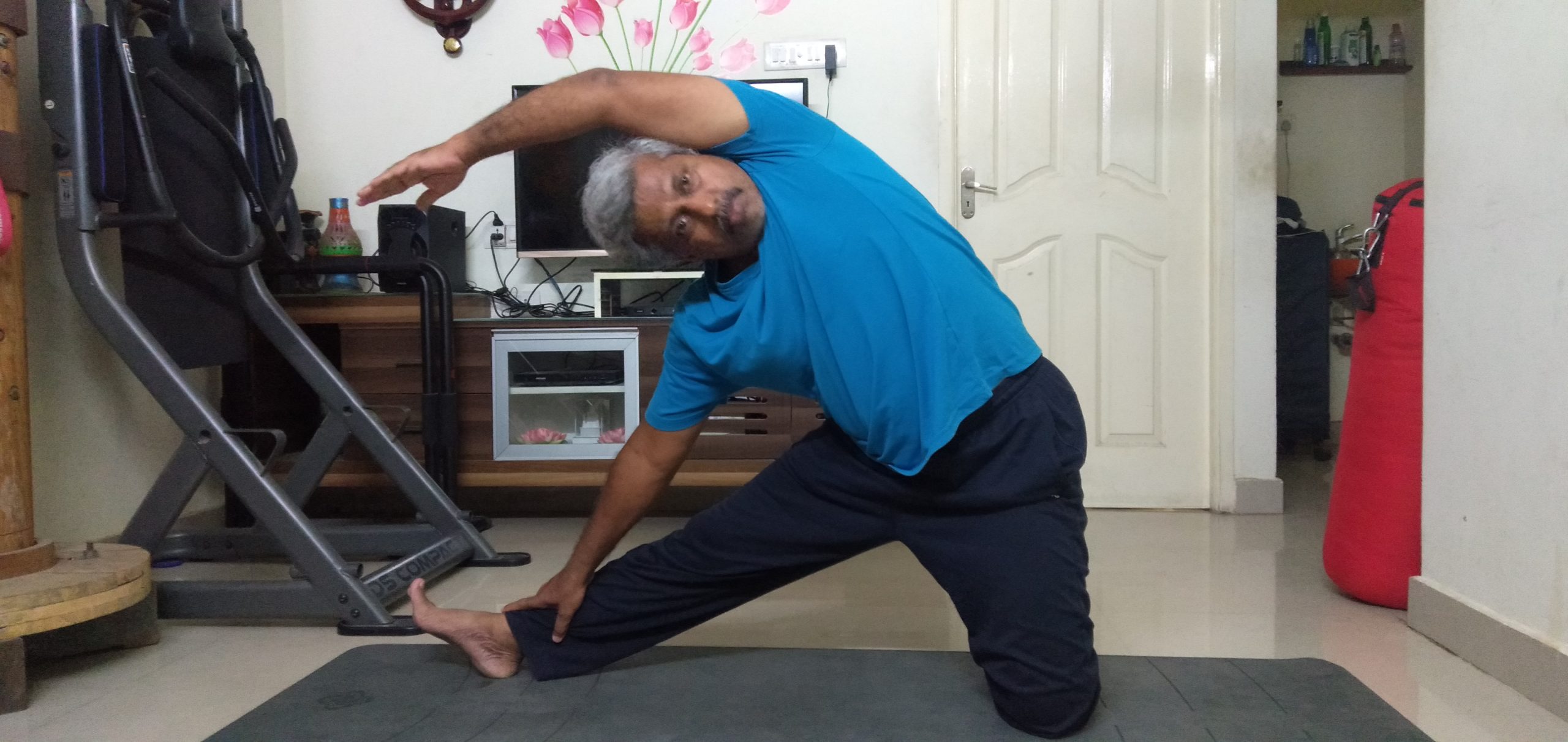
Gate Pose is called Parighasana in Sanskrit. 'Parigha' means 'beam'. Performing the pose on a regular basis promotes optimum health.

Gate Pose is called Parighasana in Sanskrit. 'Parigha' means 'beam'. Performing the pose on a regular basis promotes optimum health.

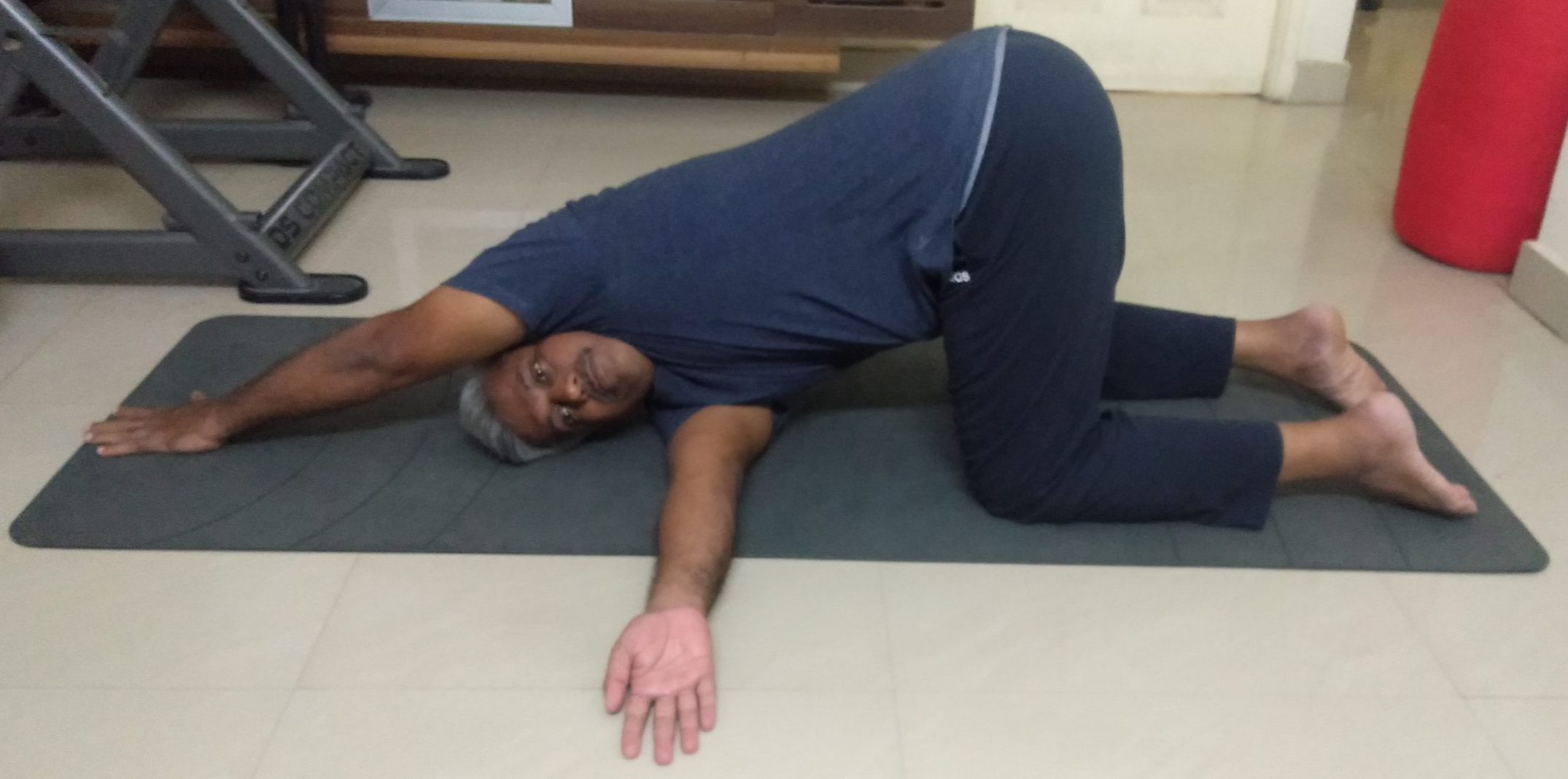
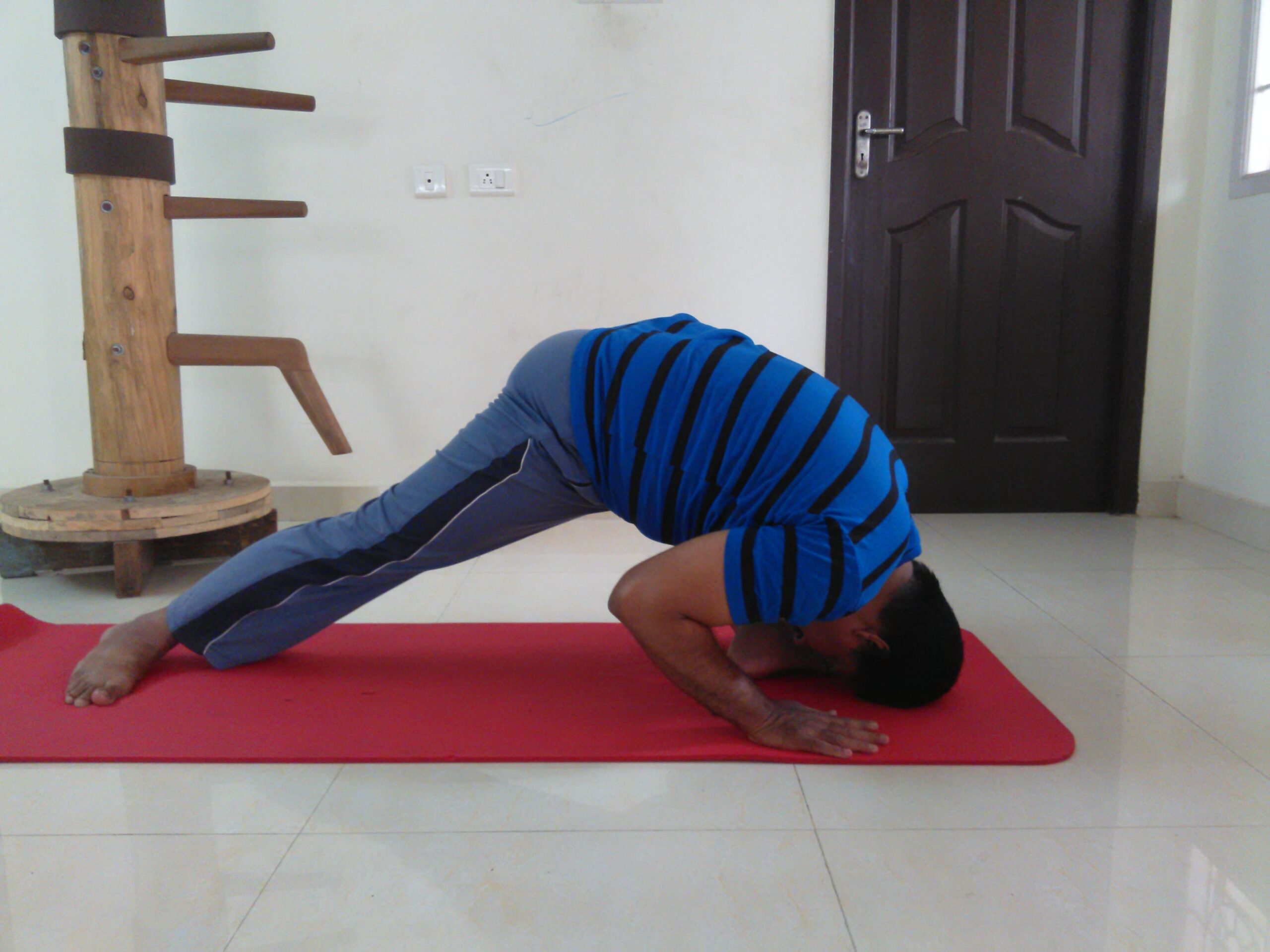
'Parsva' in Sanskrit means 'side' and 'bala' means 'child'. The pose is performed in Child Pose or in variation of Child Pose with the upper back twisted and hence it is named as Parsva Balasana.
Due to unavoidable circumstances, we could not upload Yoga Pose for the Day. However, we have uploaded herbal posts for the day.

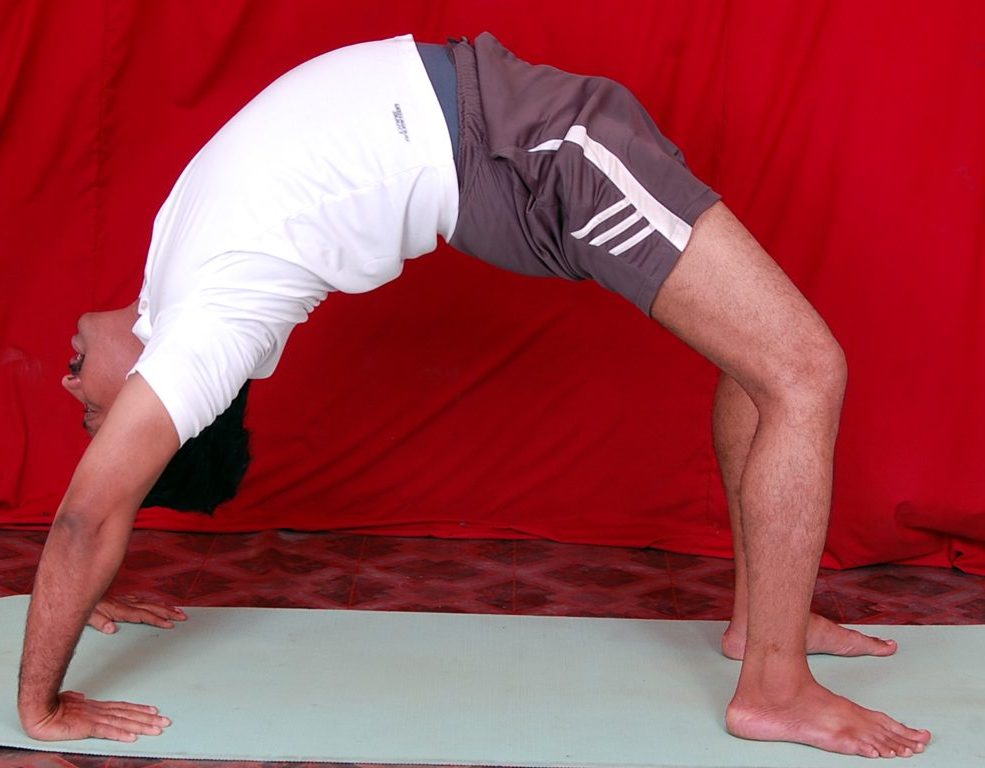
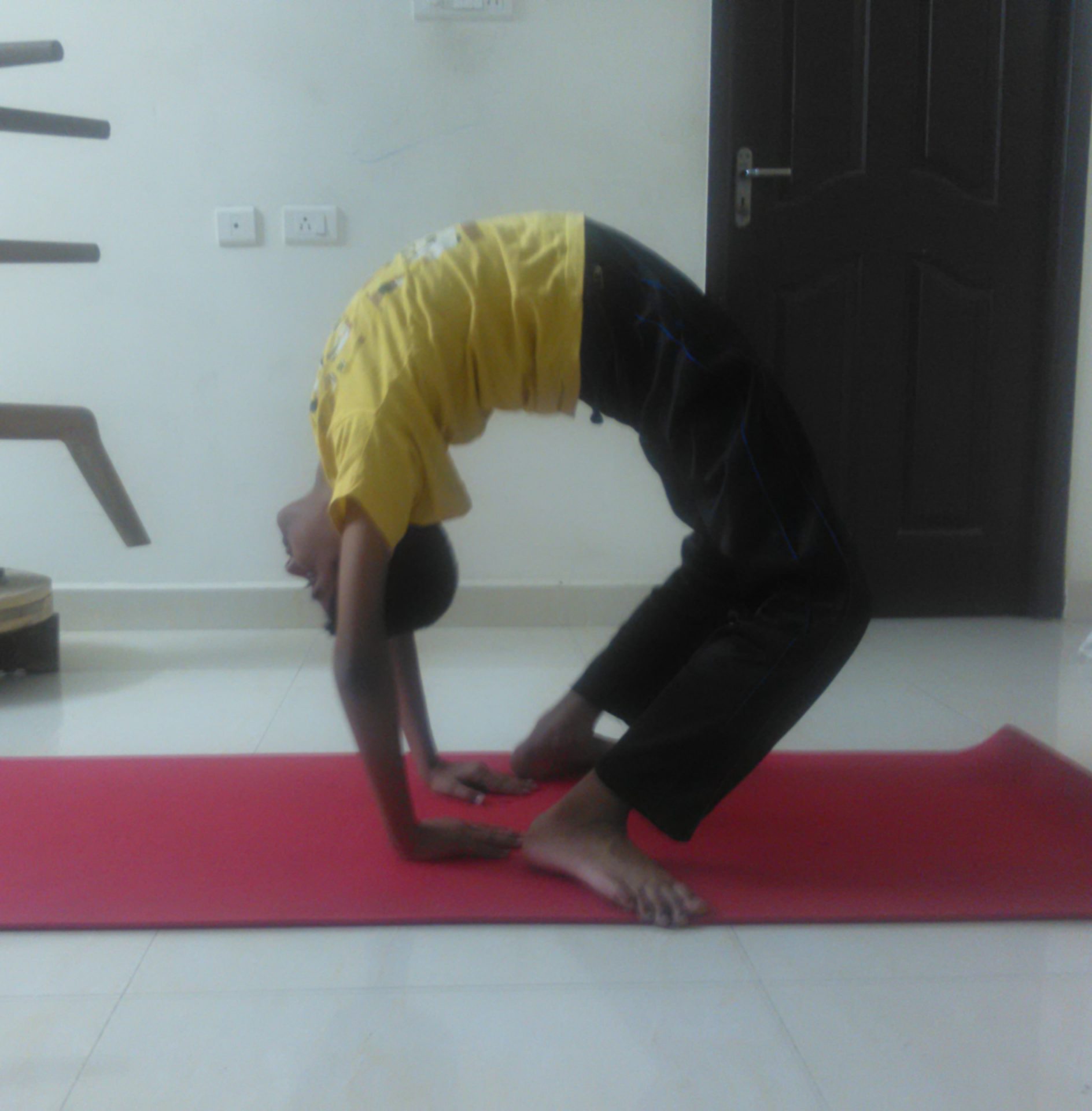
Wheel Pose is one of the challenging back bend yoga poses. It is called Chakrasana in Sanskrit. 'Chakra' means 'wheel'. It goes without saying why the pose is named thus.

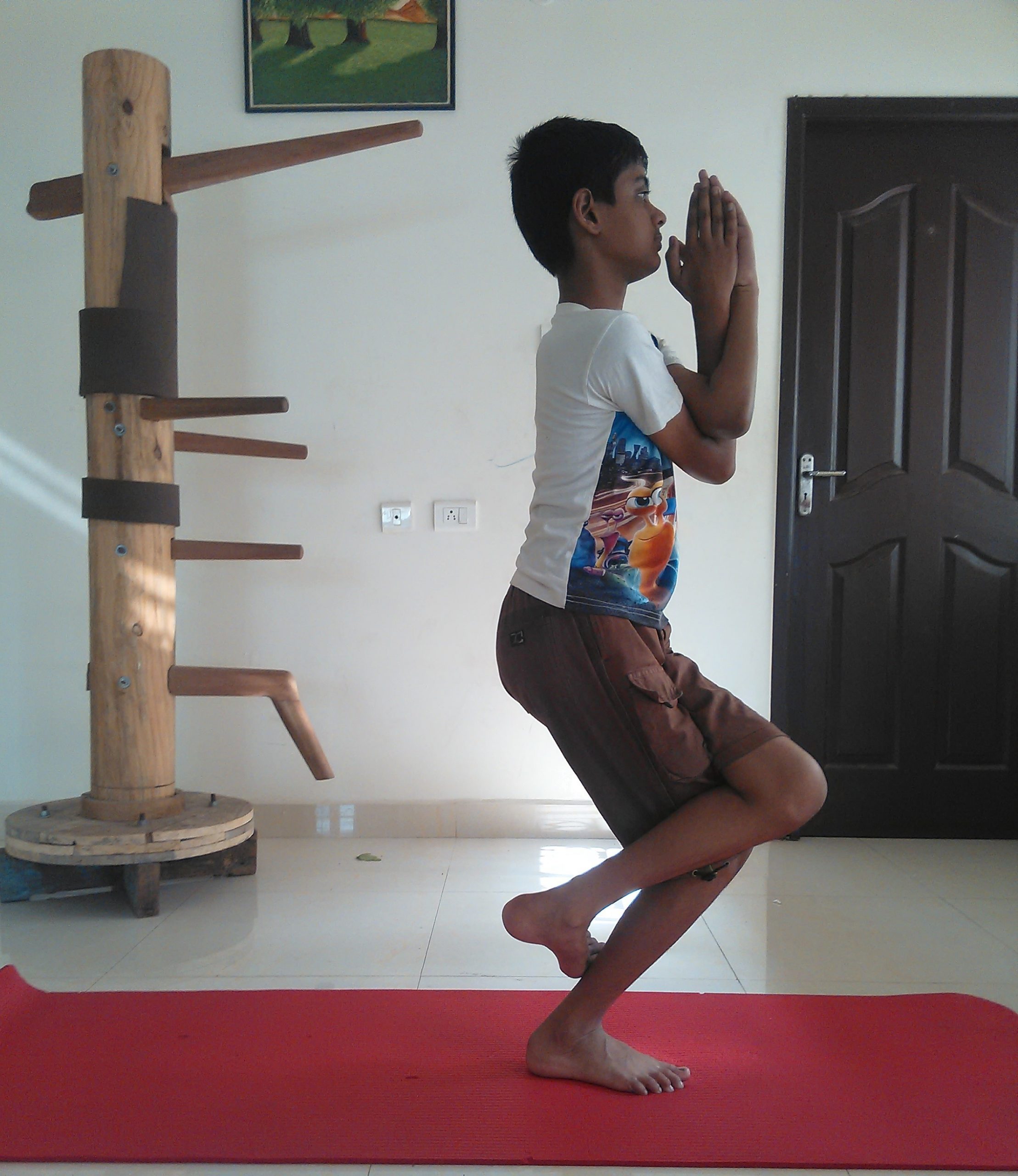
நின்று செய்யும் ஆசனங்களில் விருஷாசனம் போன்றே ஒற்றைக் காலில் நின்று செய்யப்படுவது கருடாசனம். வடமொழியில் ‘கருட’ என்றால் ‘கருடன்’ அல்லது ‘கழுகு’ என்று பொருள். கருடாசனம் ஆங்கிலத்தில் Eagle Pose என்று அழைக்கப்படுகிறது. விருஷாசனம்
We would like to thank all those who had participated in yesterday's poll. Going by the responses we have received so far, we understand that,
Dear readers, thank you for your continued interest in yogaaatral.com. We have created a poll to help us understand your needs better.

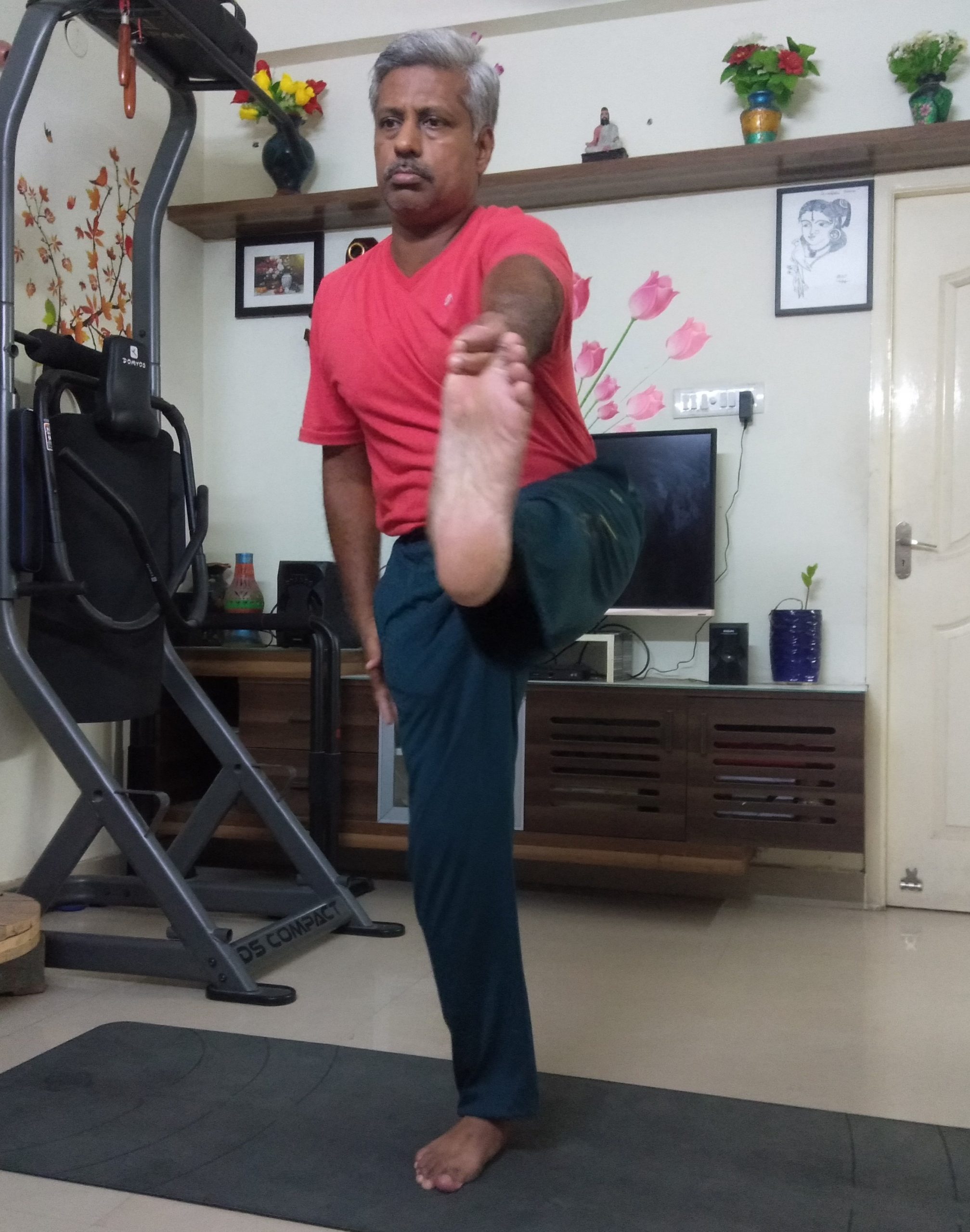
In one of our earlier posts, we have read about Big Toe Pose and its benefits. In Big Toe Pose, we bend forward to hold our big toes. In Extended Hand to Big Toe Pose, we will be holding our big toe with the leg

Tree Pose is called Vrksasana in Sanskrit. The term 'vrksa' means 'tree'. Performing the pose promotes balance of body and mind and hence is rightly called Tree Pose.

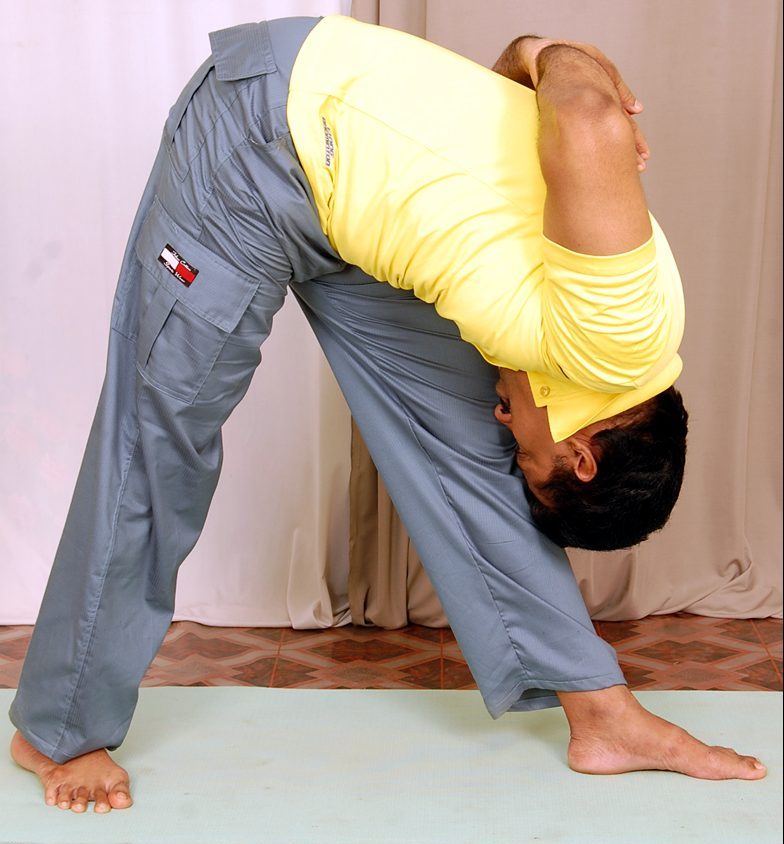
In Sanskrit, 'parsva' means 'side', 'ut' means 'powerful and 'than' means 'stretching'. Since this pose involves intense stretching towards the sides it is named thus. Intense Side Stretch Pose is called Parsvottanasana in Sanskrit.

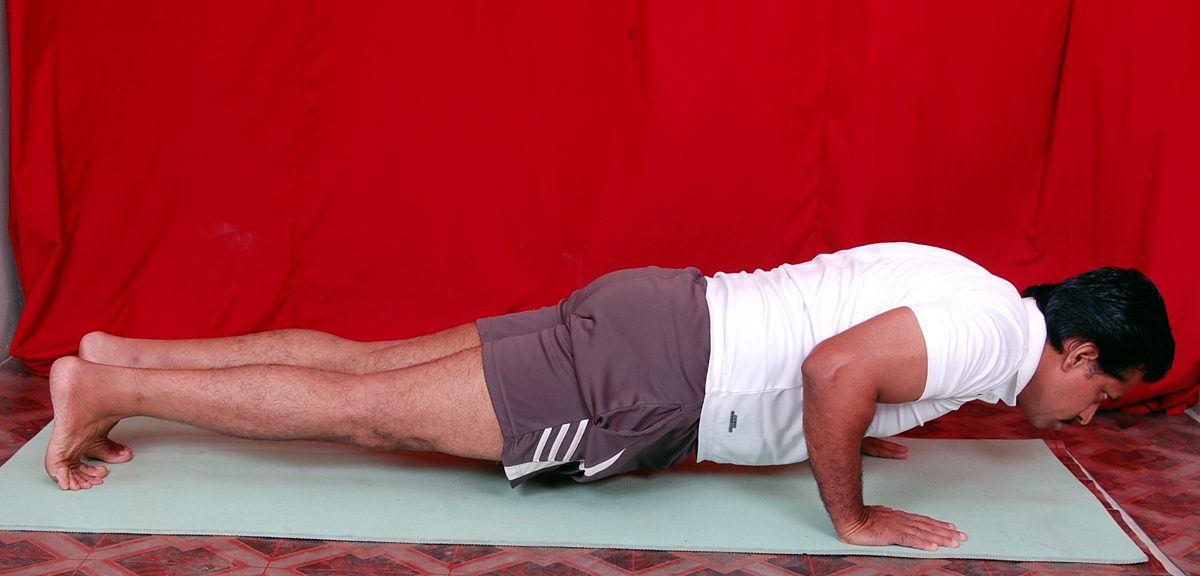
We have covered the benefits and how-to-do of High Plank Pose (Kumbhaka Asana), a version of Four-Limbed Staff Pose, in one of our earlier posts. Beginners can start with High Plank Pose and advance to performing

'Virya' in Sanskrit means 'strength' and 'stambhan' refers to spinal cord. The pose strengthens spinal cord and hence the name. 'Virya' also means 'semen'. Practicing Virya Stambhan Pose improves semen production.

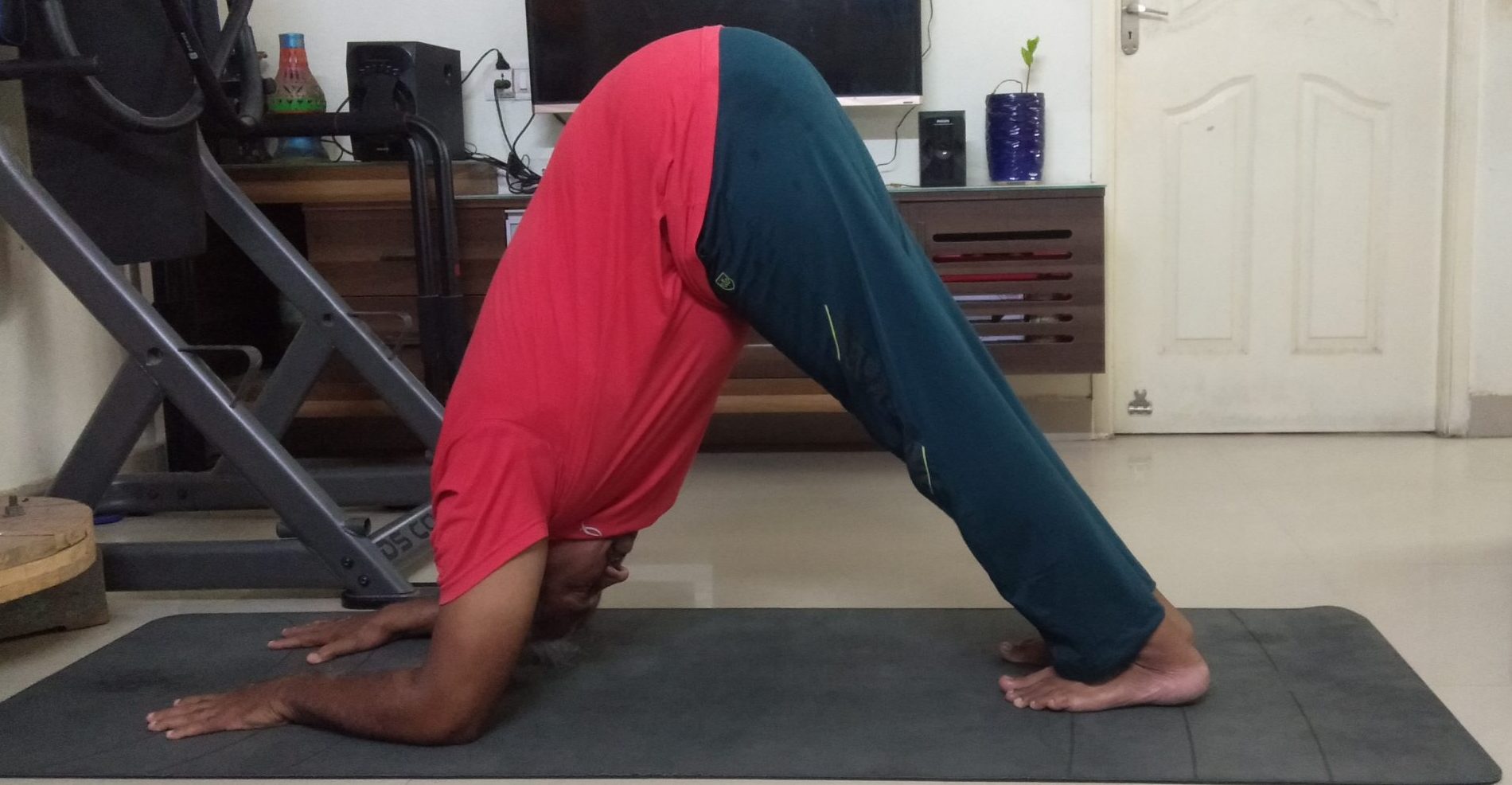
We have covered the benefits and how-to-do of Downward Facing Dog Pose in one of our earlier posts. Dolphin Pose can be called a variation of Downward Facing Dog Pose. In Sanskrit, 'ardha' means 'half', 'pincha' means 'feather'

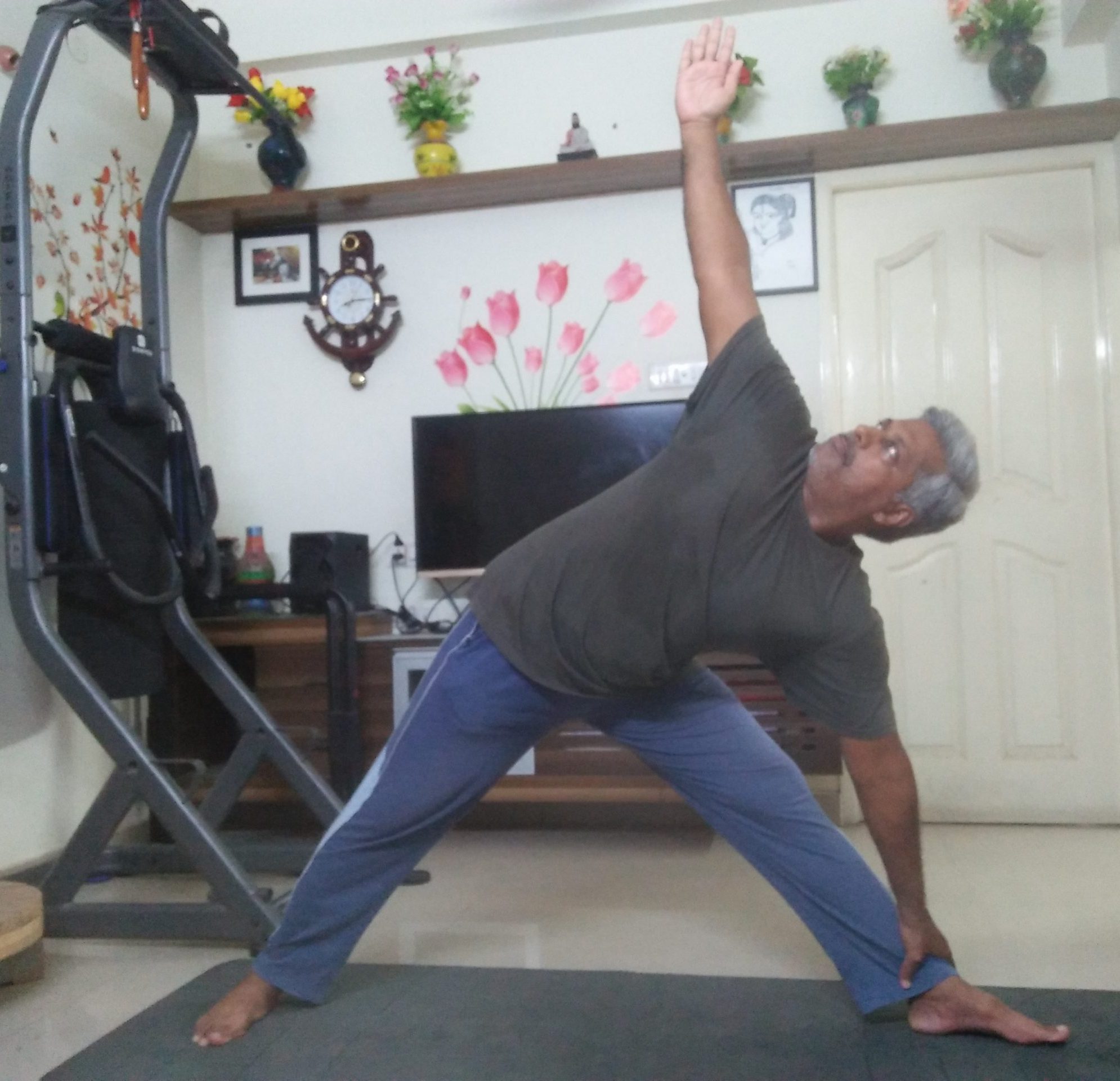
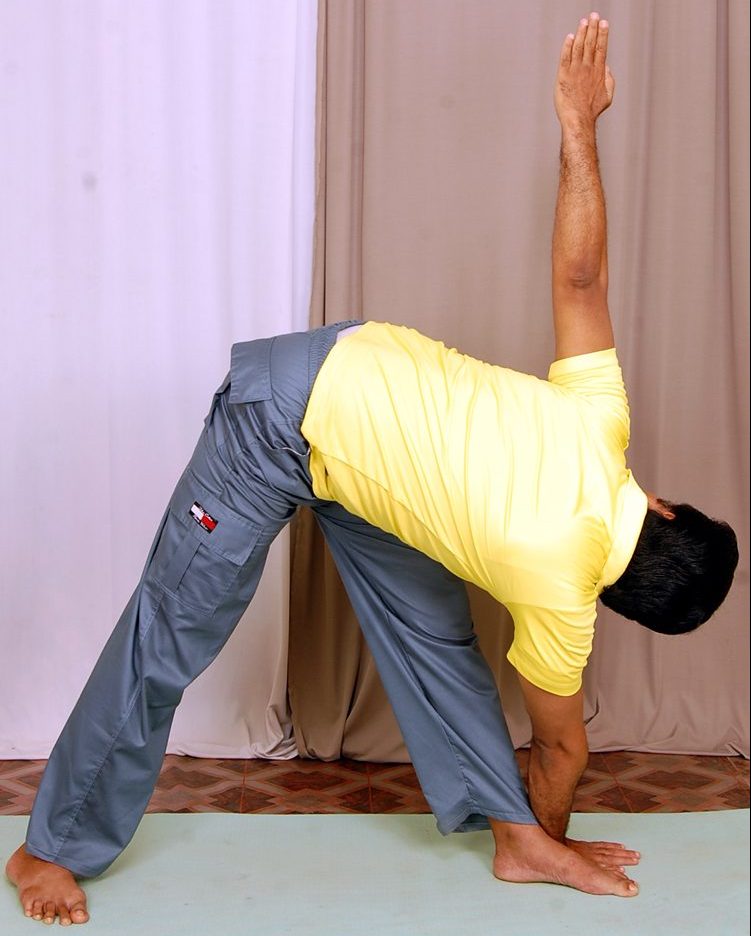
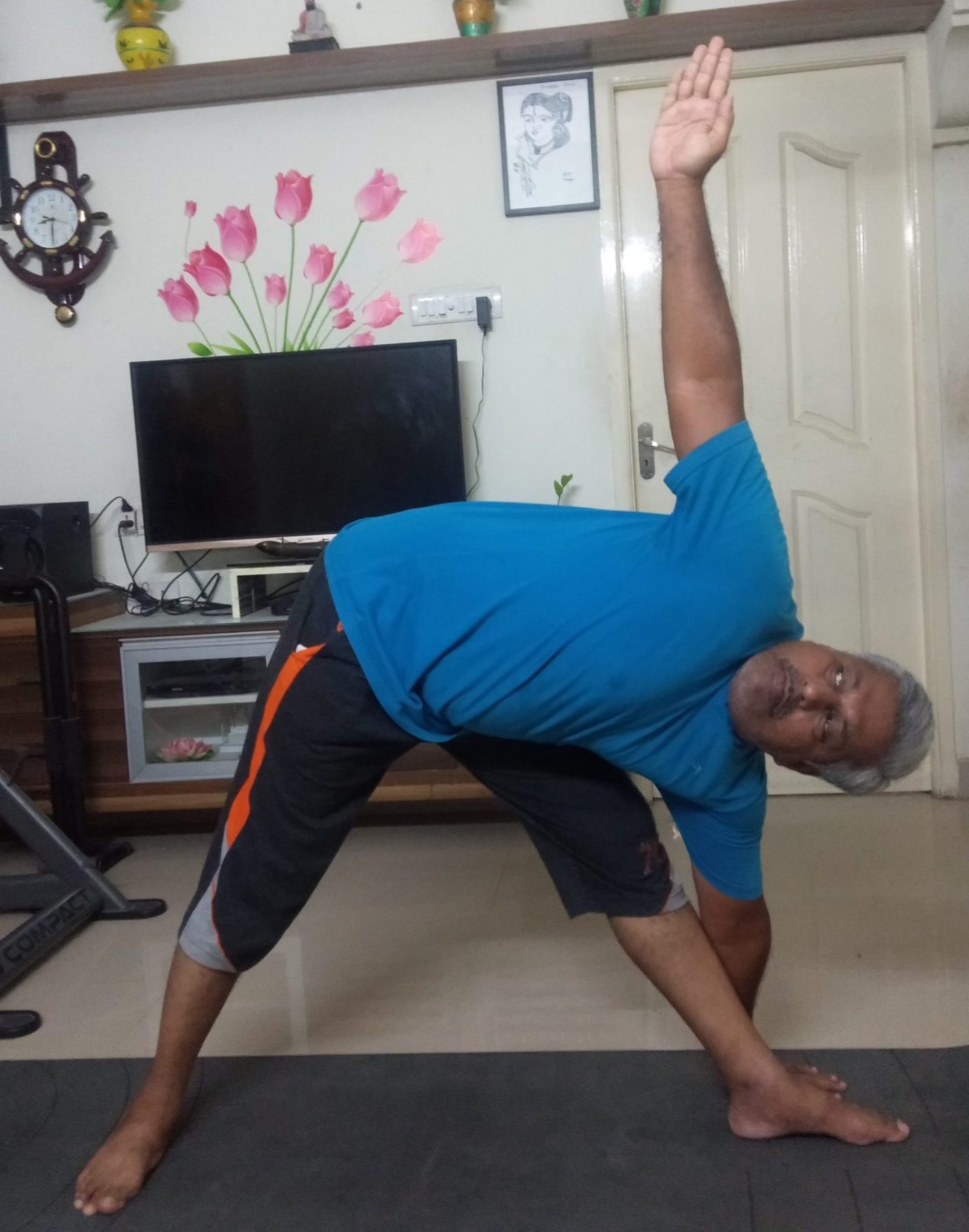
Our earlier posts were about Half Triangle Pose, Triangle Pose and Revolved Triangle Pose. In today's post we will be covering Extended Triangle Pose.

'Parivrtta' in Sanskrit means 'revolved', 'tri' means 'three' and 'kona' means 'angle'. Since the practitioner revolves around in the opposite direction, the pose is called Revolved Triangle Pose. It is called Parivrtta Trikonasana in Sanskrit.

Triangle Pose is called Trikonasana in Sanskrit. 'Tri' in Sanskrit means 'three', 'kona' means 'angle'. The formation of three triangles in this pose may have been the reason behind the name of the pose.

Half Triangle Pose - This pose is one of the easiest side bends that prepares your body for middle level side bending poses including Triangle Pose and deep side bends.

In one of our earlier posts, we had covered the benefits of Half Wheel Pose. The pose for today will be Half Waist Wheel Pose, which is called Ardha Kati Chakrasana in Sanskrit. 'Ardha' means 'half', 'kati' means 'waist'.

In Sanskrit, 'ardha' means 'half', 'namaskar' means 'salutation', 'parsva' means 'side and 'kona' means 'angle'. This, in short, is Half Prayer Twist Pose.

Chair Pose is the complete version of Half Chair Pose, which we covered yesterday. As mentioned earlier, 'utkata' in Sanskrit means 'intense' and 'powerful'. Practicing Chair Pose in its complete form will give you first hand experience of the meaning of the pose.